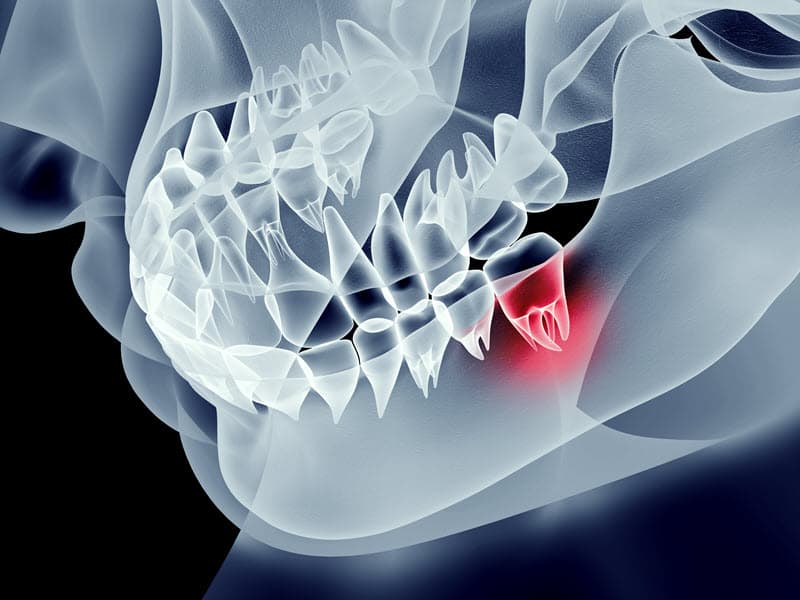
Types Of Tooth Extraction: Simple Vs. Surgical
Note: We do our best to keep cost and insurance information up to date – however – insurance and procedure costs are frequently changing, and may have changed since the article was originally published. To find out how much your tooth extraction will cost (both for patients with – and without insurance) call our office: (210) 314-7949.
Tooth extractions fall into two categories that affect your cost and recovery time in San Antonio. Simple extractions involve visible teeth that can be removed with forceps, while surgical extractions require incision into the gum tissue to access teeth that are broken, impacted, or haven’t fully emerged.
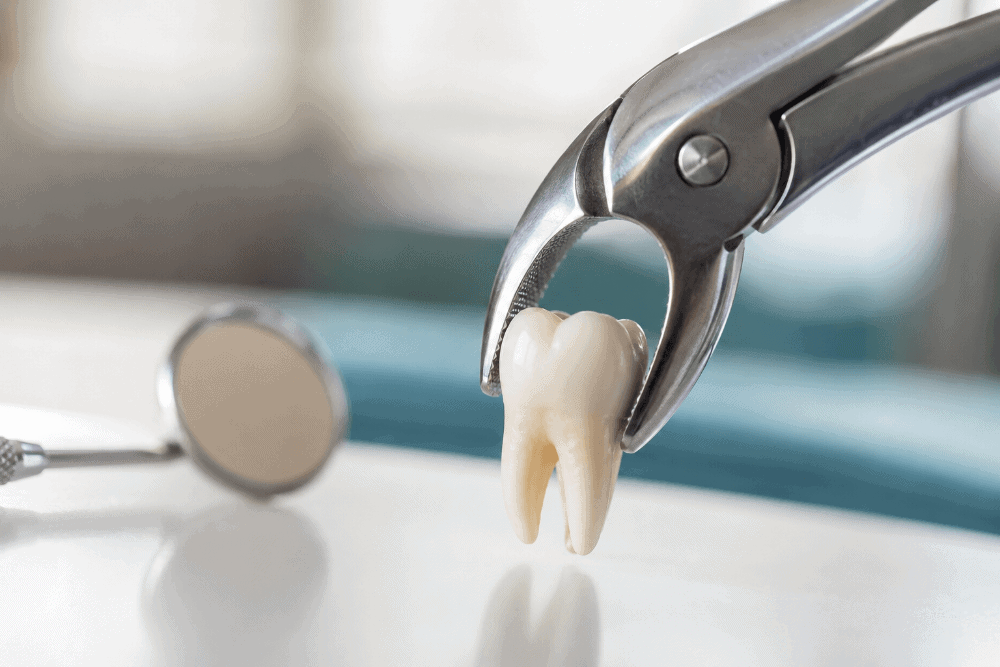
An Infected Tooth Can Cause Issues to Surrounding Teeth and Your Jawbone. Don’t Wait to Get an Emergency Exam
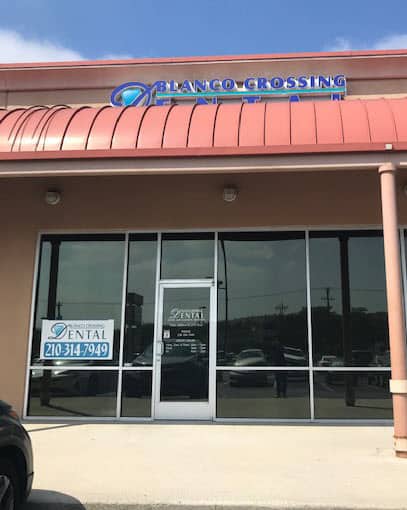
Blanco Crossing Dental in Stone Oak (North San Antonio) is a general dentistry office, however, we also frequently perform emergency dentist services – including tooth extractions – during our normal business operating hours. Your best bet
When Is Surgical Extraction Necessary?
You’ll need a surgical extraction when your tooth isn’t accessible through standard methods. This includes impacted wisdom teeth, teeth broken below the gum line, and teeth with curved or long roots that won’t release easily. Molar tooth extraction often requires surgical techniques to remove your damaged tooth due to multiple roots that anchor deeply into your jawbone.
Front tooth extraction typically qualifies as simple since these teeth have single roots and sit exposed in your mouth. However, if trauma has fractured your front tooth at the gum line, surgical extraction becomes necessary.
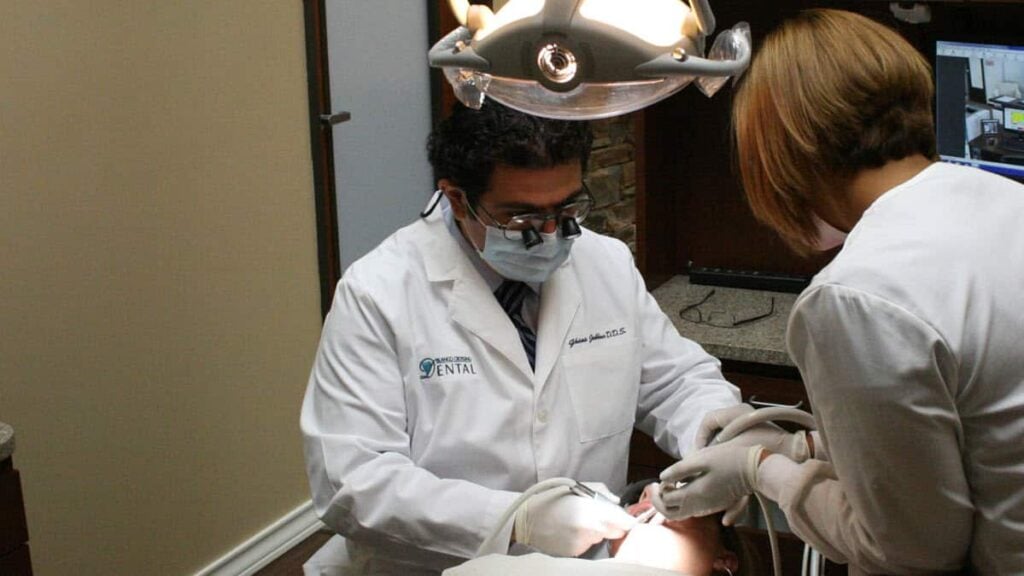
Your dentist will need to make an incision in your gum tissue and possibly remove some bone to access the tooth during surgical extraction. You may also need stitches to close the site. These cases take longer and cost more than simple extractions, which affects your out-of-pocket expenses with dental insurance carriers. If you’re considering full mouth extraction for dentures, expect a combination of both simple and surgical techniques depending on your tooth conditions.
Can A San Antonio General Dentist Do Extractions Or Do You Need An Oral Surgeon?
General dentists can perform a simple tooth extraction right in their offices. Many dental offices have an emergency dentist on staff – or take in emergency dental patients during normal business hours. They handle routine oral surgery cases efficiently without requiring referral to a specialist, which saves you time and typically costs less.
Your general dentist can also perform many surgical extractions, particularly straightforward cases involving broken teeth or basic impactions.
You’ll need referral to an oral surgeon for complex surgical cases. This includes deeply impacted wisdom teeth, teeth close to nerves or sinuses, full mouth extractions requiring sedation, or when medical conditions complicate the procedure. Oral surgeons have additional years of training and hospital privileges if complications arise.
Your insurance coverage differs between general dentists and specialists. Plans through Aetna, MetLife, Humana, Guardian, GEHA, BCBS, United Concordia, Delta Dental, and Cigna typically cover both, but your copay increases with specialists.
Tooth Extraction Cost In San Antonio
Tooth extraction costs in San Antonio range from $125 to $1700+ depending on complexity, anesthesia type, and whether you have insurance coverage through providers. This data is from a Care Credit 2024 Study.
Simple Extraction Cost With And Without Insurance
A simple extraction addresses fully erupted teeth visible above the gum line. Without insurance, you’ll pay $200-$350 per tooth at most Stone Oak and North San Antonio practices, though some clinics offer cash rates as low as $150-$350.
With insurance, your out-of-pocket costs drop significantly. Delta Dental, BCBS, United Concordia, and Cigna typically cover 70-80% of simple extractions after your deductible. You’ll pay roughly $30-$105 per tooth. Aetna, MetLife, Humana, Guardian, and GEHA offer similar coverage levels.
TRICARE Active Duty members receive extractions at no cost at military facilities. TRICARE Prime and Select cover 80% at network providers. Texas Medicaid covers emergency tooth extractions only, not elective removals (note that we don’t accept Medicaid at our office).
Dead tooth extraction or infected tooth extraction procedures fall under simple extraction pricing when the tooth structure remains intact above the gum line. Keep in mind that there may be additional costs. For example, X-rays add $25-$150 to your total cost.
Surgical Extraction Cost With And Without Insurance
Surgical extractions involve teeth broken at the gum line, impacted teeth, or cases requiring bone or tissue removal. Cash prices run anywhere from $300 up to $700 or more for the most complex cases.
Your surgeon makes an incision in your gum tissue and may remove bone blocking access. These procedures require additional time and skill compared to simple extractions.
With insurance, you’ll face different coverage rates. Most plans including BCBS, United Concordia, Delta Dental, and Cigna cover 50-80% of surgical extractions. Your portion typically ranges from $75-$350 per tooth depending on your specific plan and annual maximum.
Aetna, MetLife, Humana, and Guardian usually classify surgical extractions as major services with 50% coverage. GEHA dental plans offer 60-70% coverage for surgical procedures. TRICARE maintains 80% coverage at most local network providers.
Wisdom Tooth Extraction Cost With And Without Insurance
Wisdom teeth extraction addresses the third molars at the back of your mouth, which often become problematic when there isn’t enough room for them to emerge properly. The cost varies significantly depending on whether the tooth has fully erupted or remains trapped beneath the gum or bone.
Erupted wisdom tooth removal that can be performed with simple extraction techniques costs $150-$400+ per tooth without insurance at most Stone Oak and North San Antonio practices. However, impacted wisdom teeth that haven’t broken through the gum line require surgical extraction and run considerably higher. Cash prices for surgical wisdom tooth extraction in Sonterra, Shavano Park, and Hollywood Park areas range from $300-$800+ per tooth, with fully bony impactions reaching the upper end of that range. Many patients choose to remove all four wisdom teeth in a single visit, bringing total cash costs to $1,000-$3,000+ depending on impaction severity and sedation needs.
The complexity of impacted wisdom teeth drives most of the cost difference. Soft tissue impactions, where the tooth is covered only by gum, cost less than partial bony or full bony impactions that require removing jawbone to access the tooth. Teeth positioned close to nerves or sinuses may require referral to an oral surgeon, which increases your out-of-pocket expense.
With insurance, your costs drop substantially. Delta Dental, BCBS, United Concordia, and Cigna typically cover 70-80% of simple wisdom tooth removal, leaving you paying roughly $30-$120 per tooth after your deductible. For surgical extraction of impacted wisdom teeth, most plans including BCBS, United Concordia, Delta Dental, and Cigna cover 50-80%, putting your portion at $75-$350 per tooth depending on your plan and annual maximum.
Aetna, MetLife, Humana, and Guardian usually classify surgical wisdom teeth extraction as a major service with around 50% coverage. GEHA dental plans offer 60-70% coverage for impacted wisdom tooth procedures. TRICARE maintains 80% coverage at network providers while TRICARE Active Duty members receive wisdom teeth removal at no cost at military facilities. Texas Medicaid covers wisdom tooth extraction for adults only on an emergency basis when severe pain or infection is present, not for preventive removal (again – we must note that we don’t accept Medicaid at our office).
Because most patients need all four removed and many cases involve sedation, wisdom teeth extraction often approaches or exceeds your annual maximum benefit.
Bone Graft After Extraction: What It Costs And When You Need It
Tooth extraction and bone graft procedures preserve your jawbone density for future dental implants – which are recommended in most cases as a dental implant most closely matches the look, feel, and function of your missing tooth. Your dentist places bone graft material into the empty socket immediately after removing your tooth.
A single dental implant is effective at replacing a single tooth. Patients with extensive tooth loss may require multiple dental implants.
You need bone graft for tooth extraction when planning implant placement, in cases where tooth infection has spread and damaged surrounding bone, or when extracting molars with large sockets. Without grafting, your jawbone may actually significantly shrink after extraction.
Cash prices for bone grafts can range from $250-$800 per site. The cost depends on graft material type and volume needed.
Insurance coverage varies significantly. Delta Dental, BCBS, and United Concordia may cover bone grafts at 50% if deemed medically necessary. Aetna, Cigna, MetLife, Humana, and Guardian often classify grafts as cosmetic with no coverage. TRICARE covers bone grafts only when medically necessary for infection control, not for future implant placement.
Root Canal Treatment Vs. Extraction: How To Decide
The choice between root canal therapy and extraction depends on several factors including tooth condition, cost, and long-term dental health goals. Your dentist will assess whether the tooth can be successfully restored or if removal is the better option.
Key factors to consider:
- Tooth condition – A root canal preserves your natural tooth if the structure is sound, while extraction is necessary when severe tooth decay or damage exists
- Immediate cost – Extraction typically costs less upfront than root canal therapy Long-term expenses – Replacing an extracted tooth with an implant or dental bridge often costs 2-4 times more than saving the tooth
- Recovery time – Root canals usually involve faster healing than extraction with implant placement
Insurance coverage varies significantly. Delta Dental, BCBS, United Concordia, Aetna, MetLife, Humana, Guardian, Cigna, and GEHA typically cover 50-80% of root canal therapy. TRICARE may offer partial coverage depending on your plan..
If cost is your primary concern and you’re uninsured in Sonterra, Encino Park, or Shavano Park, extraction may seem appealing initially. However, tooth replacement later adds substantial expense. Root canals preserve your natural bite and prevent bone loss that occurs after extraction.
What To Expect During A Tooth Extraction
The extraction process typically involves local anesthesia to numb the treatment area, and your dentist will determine whether you need a simple or surgical extraction based on the tooth’s condition. Most patients experience minimal discomfort when proper pain management protocols are followed.
Does Tooth Extraction Hurt?
You should not feel pain during the actual extraction procedure. Your dentist will administer local anesthesia that completely numbs the tooth and surrounding gum tissue before beginning any work.
You may feel pressure and pulling sensations as the dentist loosens and removes the tooth, but these sensations are not painful. If you do experience pain during the procedure, you should inform your dentist immediately so they can provide additional anesthetic.
A tooth extraction with abscess may require antibiotics before the procedure, as infected tissue can sometimes resist anesthesia. Your dentist will ensure adequate numbness before proceeding.
After the anesthetic wears off, you’ll experience soreness that typically peaks within 24-48 hours. This post-extraction discomfort is normal and manageable with over-the-counter or prescribed pain medication.
Sedation And Pain Management Options
Beyond local anesthesia, several sedation options help patients manage anxiety and discomfort during extractions:
Nitrous oxide (laughing gas) provides mild relaxation while keeping you fully conscious and able to respond. Oral conscious sedation uses prescription medication taken before your appointment to create a drowsy, relaxed state. IV sedation offers deeper sedation where you remain responsive but have little memory of the procedure.
Most dental insurance plans including TRICARE, BCBS, United Concordia, Delta Dental, Aetna, MetLife, Humana, Guardian, Cigna, and GEHA cover local anesthesia as part of the extraction cost. Sedation options may require additional out-of-pocket payment or partial coverage depending on your specific plan.
Patients throughout Sonterra, Encino Park, and Shavano Park can discuss their anxiety levels openly with their dentist to determine the most appropriate pain management approach.
Recovery After Tooth Extraction
Most patients experience a straightforward recovery after tooth extraction, typically healing within one to two weeks. The first 24 to 48 hours are the most critical for preventing complications and managing discomfort.
Immediate Post-Extraction Care (First 24 Hours)
You should bite down gently on gauze for 30 to 45 minutes to control bleeding. Avoid spitting, using straws, or creating suction in your mouth for at least 72 hours, as this can dislodge the blood clot and cause dry socket.
Apply ice packs to your face in 15-minute intervals to reduce swelling. Take prescribed pain medication or over-the-counter options like ibuprofen as directed.
Days 2-7
Minor swelling typically peaks around day two or three, then gradually subsides. You can manage this with continued ice application during the first 48 hours, then switch to warm compresses if needed.
Stick to soft foods like yogurt, mashed potatoes, and scrambled eggs. Avoid hot liquids, crunchy foods, and anything that requires excessive chewing.
When to Contact Your Dentist
Reach out to your San Antonio dentist immediately if you experience severe pain after three days, persistent bleeding beyond 12 hours, fever above 100°F, or difficulty swallowing. These symptoms may indicate infection or dry socket, which require prompt treatment.
Most insurance plans including BCBS, Delta Dental, Aetna, and Cigna cover post-extraction complications.
Insurance Plans Accepted At Blanco Crossing Dental
Blanco Crossing Dental accepts most major dental insurance plans at our north San Antonio office, including Aetna, Blue Cross Blue Shield of Texas, Cigna, Delta Dental, MetLife, Humana, Guardian, and GEHA. The practice is in-network for United Healthcare’s National Options PPO 20 and PPO 30 plans, as well as DentaBlue and BlueCare Freedom Dental.
If you’re in Stone Oak, Live Oak, or North San Antonio searching for tooth extraction coverage, you can also use Dental Select Platinum and Gold plans at this location. TRICARE and United Concordia insurance holders should contact the office directly to verify current network status and coverage levels for extraction procedures.
Payment Options Without Insurance
If you don’t have dental insurance, Blanco Crossing Dental accepts patients without coverage. You can work with the staff to receive estimated costs before any extraction procedure begins.
The practice offers transparent pricing for patients seeking extraction without insurance. You’ll receive a detailed treatment plan with costs outlined upfront, allowing you to make informed decisions about your dental care.
Payment plans and financing options may be available for extraction procedures. Contact the office at their Blanco Road location to discuss specific pricing for your situation and explore affordable solutions for tooth extraction near you with no insurance.