Wisdom Teeth Removal in San Antonio, TX
Wisdom teeth — the third set of molars that emerge at the very back of the mouth — typically appear between the ages of 17 and 25. For many patients, there simply is not enough room in the jaw for these teeth to erupt properly, making wisdom teeth removal one of the most common oral surgery procedures performed in dentistry. At Blanco Crossing Dental in Stone Oak, Dr. Jabbour evaluates and treats wisdom teeth for patients throughout San Antonio and North San Antonio.
The American Dental Association’s Deep Dive into Wisdom Teeth
Do All Wisdom Teeth Need to Be Removed?
Not every patient needs wisdom teeth extraction. In some cases, wisdom teeth erupt fully and align properly without causing problems — and when that happens, they can stay. However, the majority of patients do not have enough space in the jaw bone to accommodate these molars comfortably, and removal is recommended to prevent a range of dental problems before they develop.
The best time to evaluate wisdom teeth is in the late teens or early twenties, when the roots are not yet fully formed and the bone is less dense. Earlier extraction generally means a simpler procedure, a shorter recovery, and a lower risk of complications. Waiting until wisdom teeth are actively causing pain or infection makes the procedure more involved and the recovery longer.
What Are Impacted Wisdom Teeth?
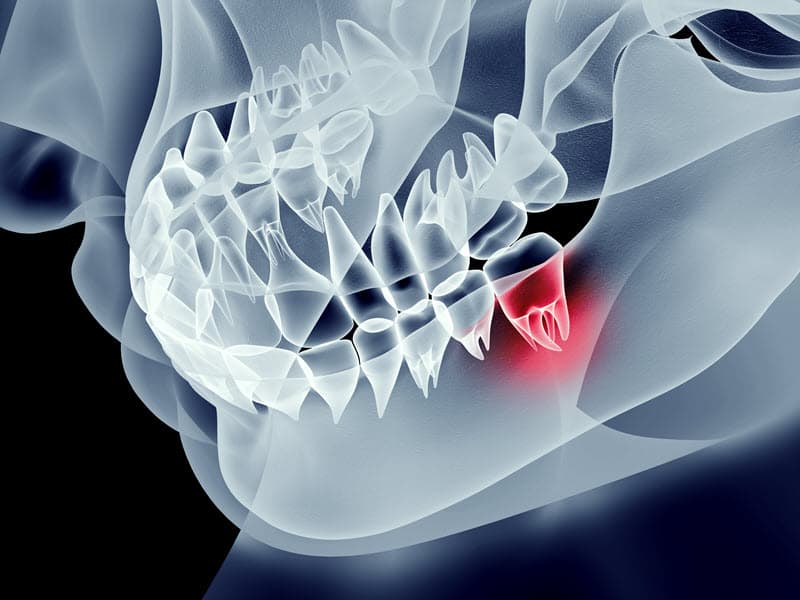
Impacted wisdom teeth are teeth that cannot fully emerge through the gum line because they are blocked by surrounding teeth, bone, or soft tissue. Impaction is extremely common — a fully impacted wisdom tooth is one that remains completely below the gum line, while a partially impacted tooth has broken through partially but cannot erupt normally.
Impacted teeth are difficult or impossible to clean effectively, which makes them highly susceptible to tooth decay, gum disease, and recurring infection. Bacteria that accumulates around a partially erupted wisdom tooth can cause persistent bad breath, swelling, and pain that radiates into the jaw and ear.
An impacted wisdom tooth can also exert pressure on adjacent teeth, causing crowding, shifting, and damage to the roots of the surrounding teeth — sometimes leading to bone loss around those neighboring teeth over time.
When impacted wisdom teeth are left untreated, the problems tend to compound and wisdom tooth removal becomes necessary. What begins as mild discomfort can escalate to a dental emergency requiring more extensive treatment.
If a cyst or other oral pathology develops around an untreated impacted tooth, jaw bone damage can result. Early removal is the most cost-effective and straightforward way to avoid these outcomes.
Signs You May Need Wisdom Teeth Removal
Many patients are referred for wisdom teeth evaluation based on x-rays taken during a routine exam, before symptoms even develop. Others notice warning signs that prompt them to come in. Common indicators include pain or pressure at the back of the jaw, swelling or tenderness in the gums behind the last molar, difficulty opening the mouth fully, bad breath that does not resolve with brushing, a bad taste near the back of the mouth, and shifting or crowding of the front teeth. If you are experiencing any of these symptoms, call Blanco Crossing Dental at (210) 314-7949 for an evaluation.
The Wisdom Tooth Extraction Procedure
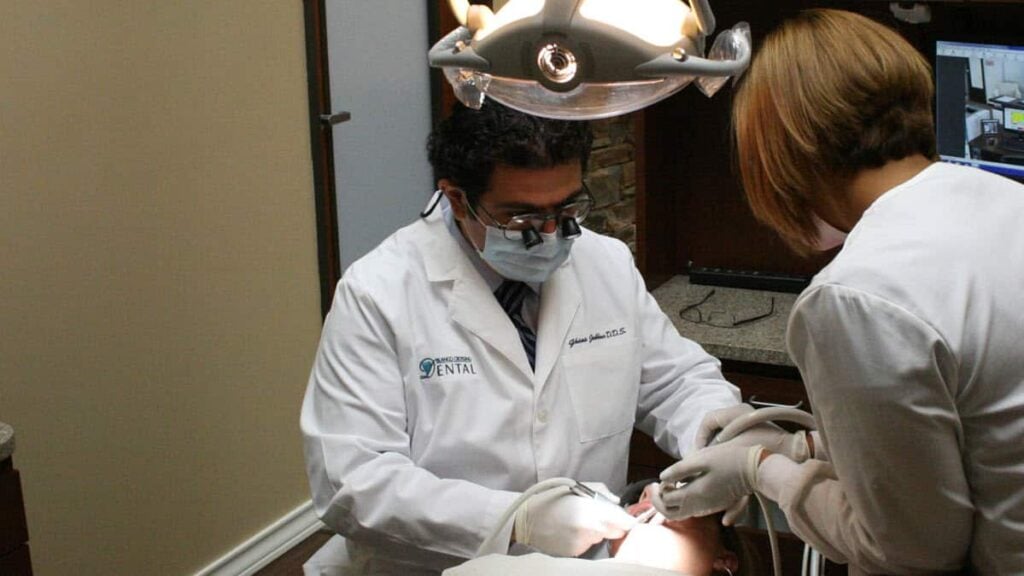
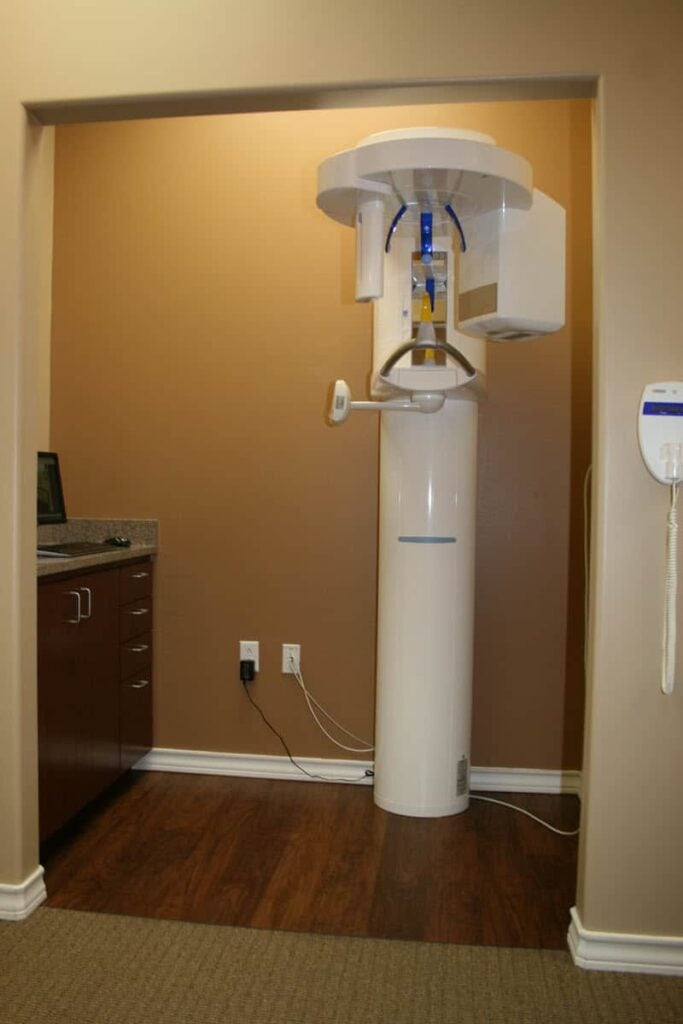
Before beginning the extraction, Dr. Jabbour will review your x-rays and discuss the position and condition of each tooth. The complexity of the wisdom tooth removal depends primarily on whether the teeth have fully erupted, are partially impacted, or are fully impacted beneath the gum and bone.
Anesthesia and Sedation Options
Patient comfort is a priority throughout the procedure. Local anesthesia is administered to numb the area completely so that you feel no pain during the extraction — only mild pressure. For patients who experience dental anxiety or who are having multiple teeth removed at once, sedation dentistry options are available.
The Extraction
For a wisdom tooth that has fully erupted, the extraction dental procedure is similar to any standard tooth extraction — the tooth is loosened and removed through the socket. For an impacted wisdom tooth, a small incision in the gum tissue is required to access the tooth. In cases where the tooth is embedded in the jaw bone, a small amount of bone surrounding the tooth may need to be removed to create access.
To minimize how much bone is affected, Dr. Jabbour will often section the tooth — dividing it into smaller pieces so that each can be removed through a minimal opening rather than removing the tooth in one large piece. The surgical site is then cleaned, and the gum tissue is sutured closed.
Wisdom Teeth Removal Recovery
Most patients resume normal daily activities within two to four days following wisdom teeth removal. Swelling peaks in the first 48 hours and then gradually subsides. Pain medication — either over-the-counter or prescription depending on the complexity of the case — is typically used for the first few days. Soft foods are recommended during the initial healing period, and patients should avoid smoking, using straws, and vigorous rinsing during the first 24 hours to protect the clot that forms in the extraction site.
Dr. Jabbour provides detailed post-operative instructions before you leave the office, including what to expect at each stage of recovery, signs of normal healing versus signs that warrant a follow-up call, and how to care for the extraction site at home. Most patients are healing well and largely comfortable within a week.
Wisdom Teeth Removal and Dental Insurance
Wisdom teeth removal is frequently at least partially covered by most dental insurance plans, typically classified as an oral surgery procedure. Coverage varies by plan — some plans cover a percentage of the extraction fee, and anesthesia coverage also varies. Our team will verify your dental insurance benefits before your procedure and provide a clear estimate of your out-of-pocket costs. Patients without dental insurance are also welcome; we are happy to discuss payment options.
Frequently Asked Questions
What Happens If You Don’t Replace a Missing Tooth After Extraction?
In most cases, wisdom teeth do not need to be replaced after removal — they are not functional chewing teeth for most patients and their absence does not affect bite function or appearance. However, if significant bone loss has occurred around an adjacent tooth due to a longstanding impacted wisdom tooth, a bone grafting procedure may be recommended at the time of extraction to preserve the bone in that area. If a neighboring tooth has been damaged and requires removal as well, dental implants are one option for restoring the missing tooth and preventing further bone loss in the jaw.