Treating Gum Disease in San Antonio, TX
Gum disease — also called periodontal disease — is a chronic inflammatory infection of the gums and the supporting bone and tissue that hold your teeth in place. It is one of the most prevalent oral health conditions affecting adults in both Texas and the United States, yet it often goes undetected because the early stages are painless.
Left untreated, gum disease progresses from mild inflammation to serious bone loss, gum recession, loose teeth, and eventual tooth loss. Dr. Jabbour at Blanco Crossing Dental offers several periodontal treatment options for patients in San Antonio, TX, from early-stage gingivitis through advanced periodontitis.
Why Gum Health Matters Beyond Your Mouth
Research has made it increasingly clear that untreated gum disease does not stay confined to the mouth. The chronic inflammation associated with periodontal disease has been linked to serious systemic conditions throughout the body.
In December 2025, the American Heart Association published an updated scientific statement confirming a significant association between periodontal disease and atherosclerotic cardiovascular disease — the leading cause of death globally. You can find information about the study here – on the American Dental Association website.
The statement identified potential biological mechanisms including oral bacteria entering the bloodstream and triggering chronic systemic inflammation that affects blood vessels and heart tissue. Patients with active gum disease face a meaningfully higher risk of cardiovascular events than those with healthy gums.
The connection between gum disease and diabetes is also well established and works in both directions: diabetes increases susceptibility to gum infection, and untreated gum infection raises systemic inflammation, making blood sugar harder to control. Protecting your gum health is not just about keeping your teeth — it is a meaningful part of protecting your overall health.
Symptoms of Gum Disease in Adults
Gum disease is often silent in its early stages, which is why regular dental exams are critical for detection. Common warning signs include persistent bad breath or a bad taste in the mouth, gums that appear red, swollen, or tender, bleeding gums when you brush or floss, gum recession or a change in how your gum line looks, gum pockets forming between the teeth and gums, loose teeth or a sudden change in your bite, and any change in the fit of dentures. If you are experiencing any of these symptoms, contact Blanco Crossing Dental at (210) 314-7949. Early intervention dramatically changes the course of treatment required.
The Three Stages of Gum Disease
Stage 1 – Gingivitis
The American Dental Association’s Video About Gingivitis
Gingivitis is the earliest and most reversible stage of gum disease. It is characterized by a buildup of bacterial plaque along the gum line that causes gum inflammation and bleeding. Contributing factors include inadequate oral hygiene, hormonal changes, certain medications, illness, or a family history of gum disease.
At the gingivitis stage, the underlying bone and connective tissue have not yet been damaged. With a professional deep cleaning (that goes well beyond a typical routine dental cleaning) — known as scaling and root planing (more about that in a minute), combined with improved oral hygiene at home, gingivitis can be fully resolved. This is why routine preventive dental care and early diagnosis matter so much.
Stage 2 – Periodontitis
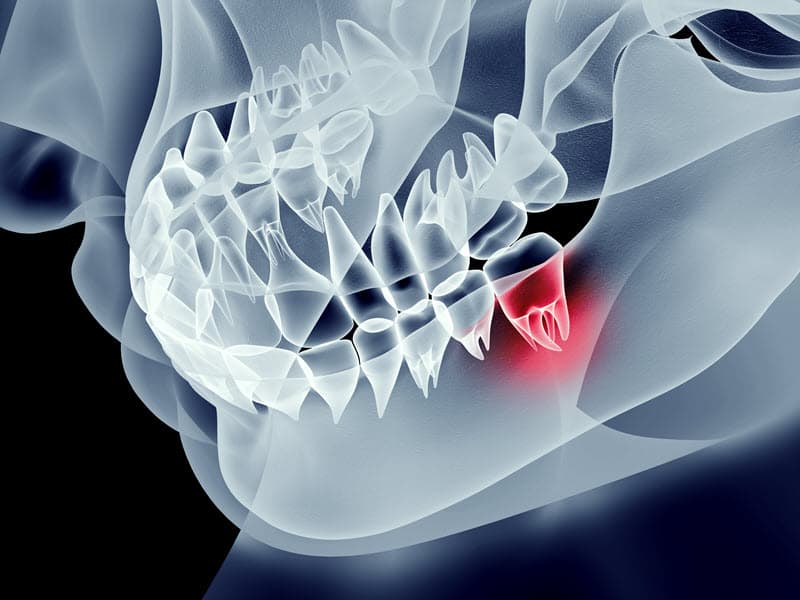
When gingivitis goes untreated, it advances to periodontitis. At this stage, the infection has spread below the gum line and begun to damage the bones and fibers that anchor the teeth in place. The gums pull away from the tooth root, forming gum pockets that trap plaque, food debris, and bacteria.
Gum recession accelerates and gaps begin to form between teeth. Bone loss starts to occur. Periodontal therapy at this stage focuses on controlling the infection, eliminating bacterial deposits from below the gum line, and halting further bone and tissue destruction. Immediate treatment is required to prevent progression.
Stage 3 – Advanced Periodontitis
Advanced periodontitis is the final and most severe stage of gum disease. Bacteria have spread extensively throughout the mouth, destroying the connective gum tissue and bone that support the teeth. Teeth may shift, loosen, or become candidates for tooth extraction. At this stage, oral surgery is often required.
Dr. Jabbour will review your specific condition and develop a treatment plan that addresses the damaged gums, bone loss, and any teeth that may need to be replaced. Dental implants are one option for restoring function and appearance after tooth loss due to advanced periodontal disease.
Gum Disease Treatment Options at Blanco Crossing Dental
Scaling and Root Planing (Deep Cleaning)
Scaling and Root Planing (American Dental Association Video)
Scaling and root planing is the primary non-surgical periodontal treatment and the most commonly performed procedure for patients diagnosed with gingivitis or early-to-moderate periodontitis. This deep cleaning procedure removes plaque, tartar, and bacteria from the surface of the tooth and below the gum line, all the way down to the tooth root.
Scaling removes the bacterial deposits; root planing smooths the root surface to help the gum tissue reattach and make it harder for bacteria to accumulate in the future. Most patients require local anesthesia for comfort during the procedure. Depending on the extent of your gum disease, treatment may be completed in one or two appointments. Following scaling and root planing, a follow-up visit is scheduled to assess healing and evaluate gum pocket depth reduction.
Periodontal Maintenance
After active periodontal therapy, patients with a history of gum disease require ongoing periodontal maintenance visits — typically every three to four months rather than the standard six-month interval. These visits allow us to monitor gum pocket depth, assess bone levels, remove bacterial buildup before it can re-establish, and catch any signs of recurrence early. Periodontal disease is a chronic condition that requires lifelong management. Consistent periodontal maintenance is the most important factor in long-term gum health after treatment.
Surgical Periodontal Treatment
For patients with moderate-to-advanced periodontitis where non-surgical treatment has not been sufficient to control the infection or where bone loss is severe, oral surgery may be required. Dr. Jabbour will discuss your options, which may include gum surgery to reduce pocket depths and provide better access for cleaning, bone grafting to address areas of significant bone loss, or gum grafting to restore receding gum tissue and protect exposed tooth roots.
Our goal is always to find the most conservative and affordable solution that effectively addresses the disease and restores your oral health.
Gum Disease, Tooth Loss, and Dental Implants
Advanced periodontal disease is the leading cause of tooth loss in adults. When one or more teeth have been lost due to gum disease, dental implants are often the most effective long-term restorative option. A dental implant replaces both the visible tooth and the tooth root, preserving the jawbone and preventing the bone loss that typically follows extraction.
Dr. Jabbour can evaluate whether dental implants are appropriate for your situation and discuss the steps involved, including any bone grafting that may be needed if significant bone loss has already occurred.
Preventing Gum Disease: Oral Hygiene and Regular Exams
The best gum disease treatment is prevention. Maintaining good oral hygiene — brushing twice daily, flossing once daily, and staying current on professional cleanings — removes the plaque that causes gum infections before it can progress. Certain risk factors increase susceptibility to periodontal disease, including smoking, diabetes, hormonal changes, specific medications, and genetic predisposition.
If you fall into a higher-risk category, more frequent preventive care visits may be recommended to stay ahead of the disease. Patients in the Stone Oak / North San Antonio who are looking for a local dentist focused on both preventive dentistry and gum disease treatment are welcome at Blanco Crossing Dental. Call (210) 314-7949 to schedule your appointment with Dr. Jabbour today.