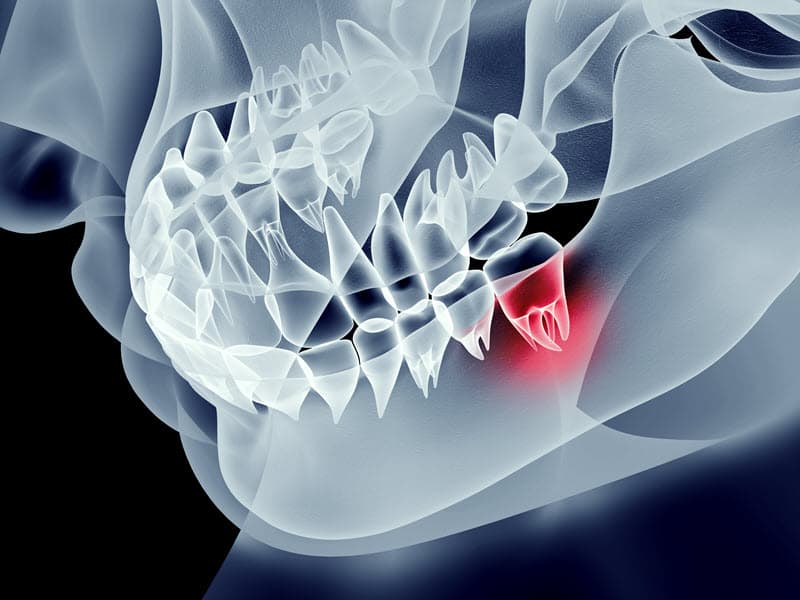
I Chipped My Tooth. Now What?
A chipped tooth can happen in an instant—from biting into something hard, a sports injury, or an unexpected fall. When it does, knowing where to turn for fast, reliable dental care makes all the difference. San Antonio residents in Stone Oak, Live Oak, Sonterra, and surrounding areas have access to skilled chipped tooth repair that can often restore your tooth the same day you visit.
Not every chipped tooth needs the same treatment, and not every damaged tooth can be saved. The severity of the break, the location of the damage, and the health of the tooth’s root all determine whether repair or extraction is the right path forward. Understanding your options helps you make informed decisions about your dental health.
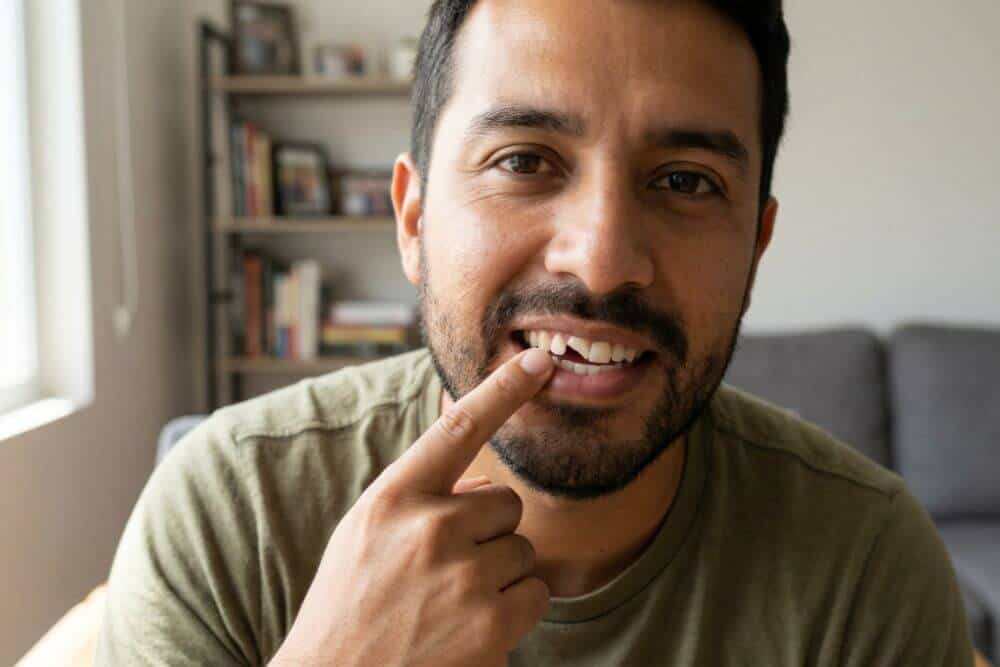
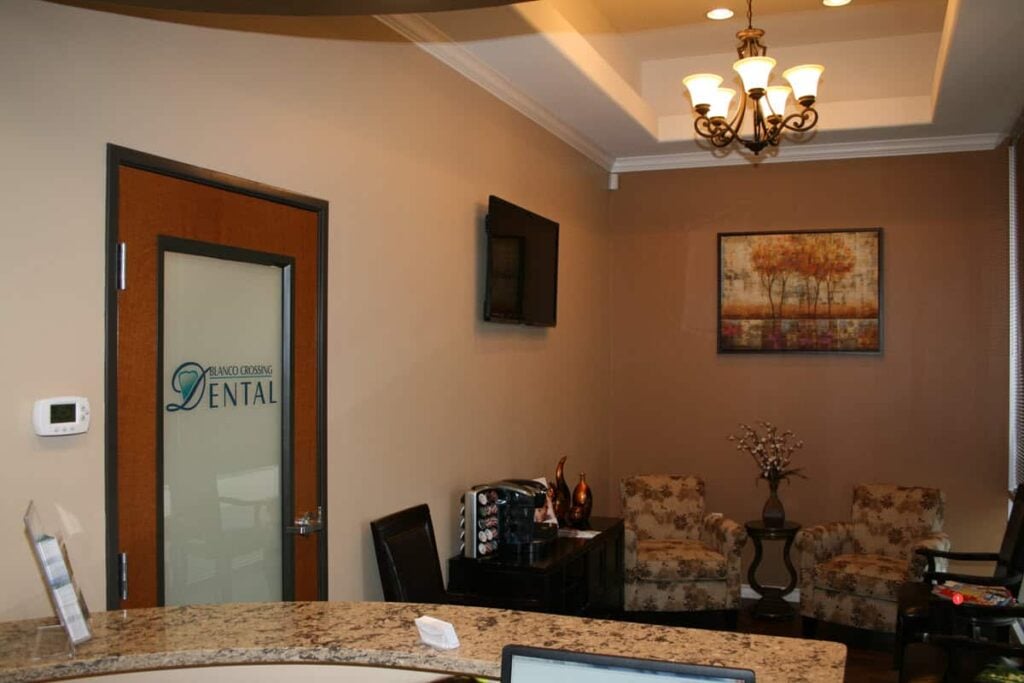
Call Your Dentist Immediately (Blanco Crossing Dental in Stone Oak During Business Hours) to Get the Tooth Looked at Promptly for Treatment and to Prevent Further Damage
Can a Dentist Fix a Chipped or Broken Tooth?
Yes, dentists can fix most chipped and broken teeth using several proven treatment methods. The specific repair approach depends on the severity of the damage and the tooth’s overall condition.
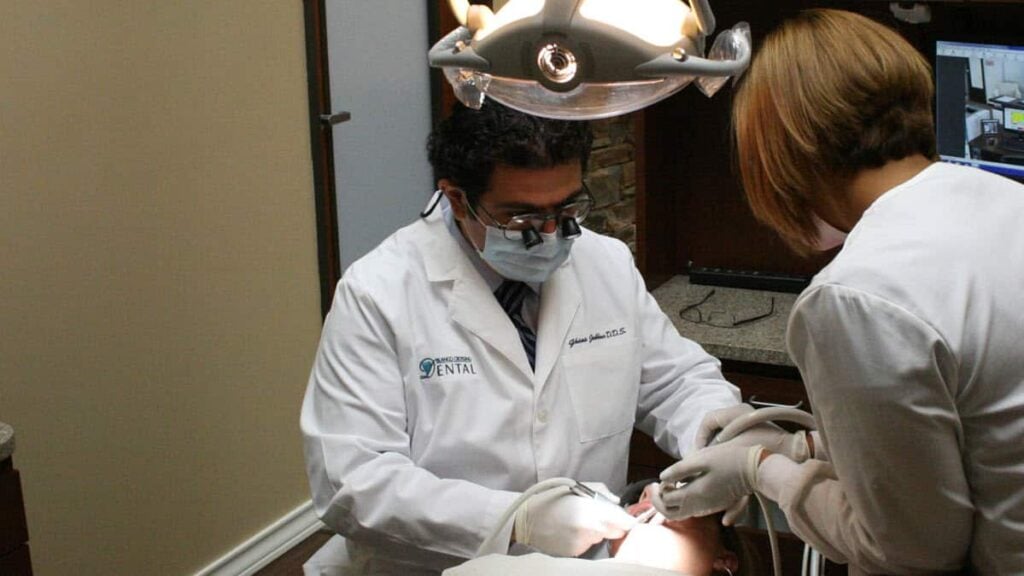
At Blanco Crossing Dental in Stone Oak, your dentist, Dr. Jabbour, will first examine the tooth to determine whether it can be saved or if extraction is necessary. Minor chips typically qualify for simple repairs, while severe breaks may require more extensive treatment.
Common Chipped Tooth Repair Options:
- Dental Bonding – Composite resin is applied and shaped to restore the tooth’s appearance
- Veneers – Thin porcelain shells cover the front surface of damaged teeth
- Dental Crowns – Caps that cover the entire tooth for significant damage
- Dental Fillings – Used when decay accompanies the chip
Chipped tooth restoration procedures are readily available at local dental practices. The treatment usually takes one visit for bonding, while crowns and veneers may require two appointments.
When Extraction Becomes Necessary:
A broken tooth may or may not be able to be salvaged. If the fracture extends below the gum line or if the root of the cracked tooth is severely damaged, extraction may be the only viable option. Your dentist will discuss replacement options like dental implants or bridges. We’ll talk more about extractions below.
Types of Tooth Damage and When Each Can Be Saved
The extent of damage to your tooth determines whether it can be repaired or requires extraction. Minor surface damage typically responds well to conservative treatments, while deeper fractures may need more extensive intervention to save the tooth. Significant damage may also require restorative dentistry techniques like a dental crown or implants.
Minor Chips: Bonding and Veneers (Lumineers)
Small chips affecting only the enamel are the most straightforward to repair at dental practices throughout Stone Oak and North San Antonio. Dental bonding uses tooth-colored composite resin applied directly to the damaged area, hardening under a special light to restore your tooth’s shape and function. This procedure typically takes 30 to 60 minutes per tooth.
The American Dental Association Discusses Veneers – Which Can be Used to Improve the appearance of Teeth with Minor Imperfections
Porcelain veneers (we offer Lumineers at Blanco Crossing Dental) offer a more durable solution for front teeth with visible chips. A custom-made shell is placed over the tooth surface. Veneers last 10 to 15 years with proper care and resist staining better than bonding material.
Best candidates for minor chip repair:
- Chips smaller than 3mm
- Damage limited to enamel only
- No pain or sensitivity
- Intact tooth structure below the surface
Cracks: Crowns and Root Canal
Cracked tooth repair in San Antonio becomes more complex when fractures extend beyond the enamel into the dentin or pulp. Vertical cracks, crazing, and fractures affecting the cusp require crowns to prevent further splitting. Damaged portions are removed and the entire tooth is covered with a protective cap made from porcelain, metal, or ceramic.
When the fracture from a cracked tooth reaches the pulp chamber, you’ll likely need root canal therapy before crown placement. The procedure removes infected nerve tissue and seals the interior canals. It typically takes two visits to our office to complete a root canal procedure.
Warning signs requiring immediate evaluation:
- Sharp pain when biting down
- Sensitivity to temperature changes lasting more than 30 seconds
- Swelling around the tooth or gums
- Visible crack lines extending below the gum line
Severe Breaks: When Extraction Is Necessary
Broken tooth extraction becomes unavoidable when damage extends below the gum line or splits the tooth vertically through the root. Fractures affecting more than 50% of the tooth structure often cannot support a dental crown or other dental restoration. Teeth broken at or below the bone level lack sufficient structure for repair.
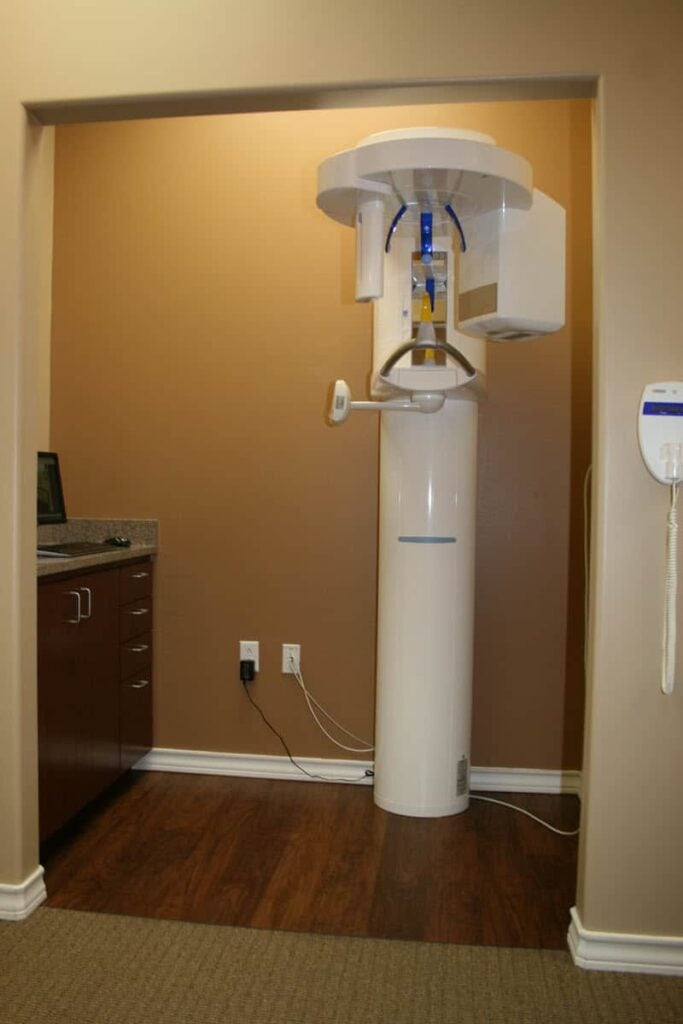
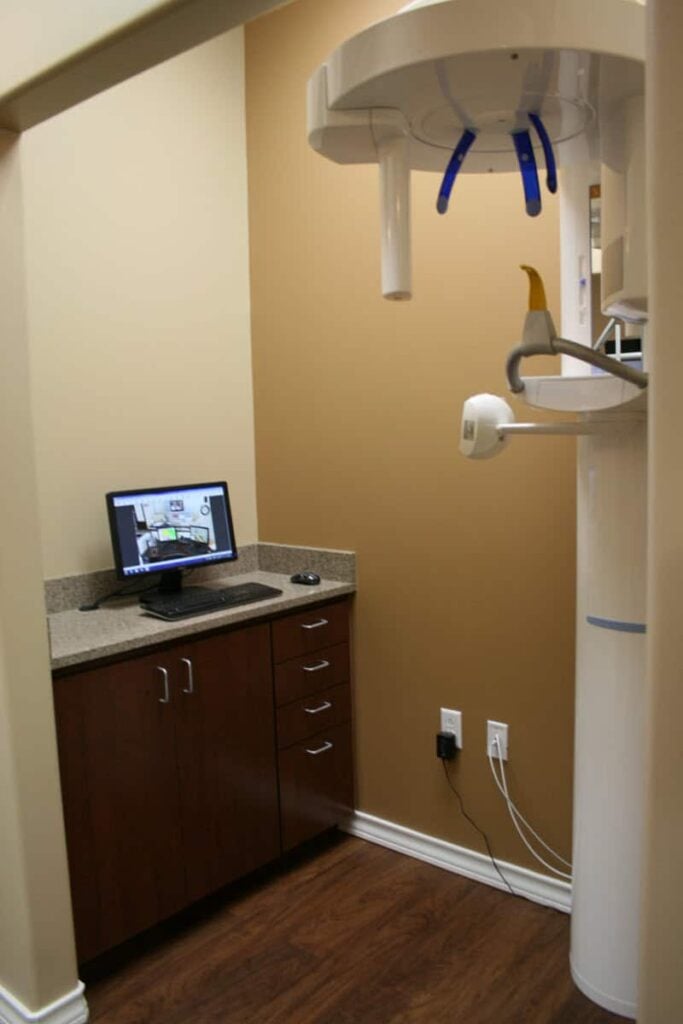
Dr. Jabbour will recommend extraction if the crack reaches the root, the tooth has split into separate segments, or decay has compromised too much of the remaining structure. Advanced imaging helps determine whether enough healthy tooth remains above the bone to anchor a restoration.
When you have a missing tooth, it can be damaging to your mouth, and your teeth may shift. We generally recommend dental implants in most cases to restore the look and function of your missing natural tooth.
Same-Day Tooth Repair at Blanco Crossing Dental
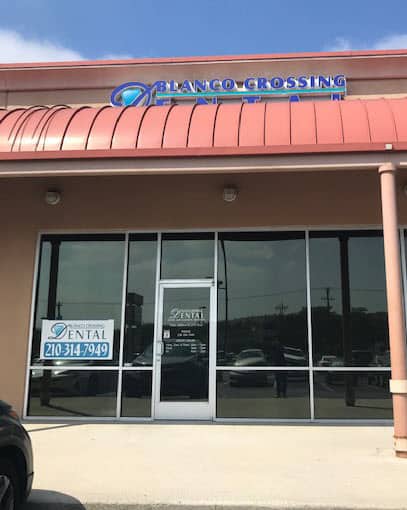
Blanco Crossing Dental offers same-day emergency dentist appointments for chipped tooth repair at their Stone Oak location. Located at 19179 Blanco Rd #106, San Antonio, TX 78258, the practice serves patients throughout North San Antonio.
When you contact us with a dental emergency, our staff schedules appointments quickly, typically on the same day. Dr. Jabbour provides emergency dental care most weekdays from Monday through Friday.
Treatment Options Available:
- Dental bonding for minor chips
- Composite fillings for small cracks
- Same-day crowns for more extensive damage
- Tooth extraction when repair is not possible
The dental team evaluates your chipped tooth to determine whether it can be saved through repair or requires extraction. Not all damaged teeth are candidates for repair—severely broken teeth may need removal to protect your oral health.
Cost of Chipped Tooth Repair in San Antonio
The cost of fixing your chipped tooth in Stone Oak and surrounding areas depends on the severity of the damage and which treatment you need. Minor chips typically cost less to repair than extensive damage requiring extraction.
Notional Repair Options and Price Ranges:
| Treatment Type | Typical Cost Range | Best For |
| Dental Bonding | $100 – $400 per tooth | Small chips and minor damage |
| Porcelain Veneers | $800 – $2,500 per tooth | Front teeth with moderate chips |
| Dental Crowns | $800 – $3,000 per tooth | Larger chips or structural damage |
| Tooth Extraction | $75 – $450 | Severely damaged teeth that cannot be saved |
Note: These are notional prices in the San Antonio area – this is not a price list for services at Blanco Crossing Dental. A visit to our office is required to come up with a treatment plan for your specific dental problem.
Your dental insurance may cover a portion of these costs, especially if the repair is medically necessary rather than purely cosmetic. Most plans cover 50-80% of restorative procedures after you meet your deductible.
Frequently Asked Questions
How long does a tooth repair procedure typically take?
Most chipped teeth repairs can be completed in a single visit lasting 30 minutes to two hours. Simple dental bonding typically takes 30 to 60 minutes per tooth at your North San Antonio dental office.
Crown placement usually requires two appointments. The first visit involves preparing the tooth and placing a temporary crown, which takes about 60 to 90 minutes. Your second appointment, scheduled two to three weeks later, involves removing the temporary crown and cementing the permanent restoration.
Same-day crown technology available at some practices in Sonterra and Stone Oak allows for complete crown fabrication and placement in one visit. Emergency repairs for painful chips may be prioritized and scheduled the same day you call.
Are chipped tooth repairs covered by dental insurance?
Most dental insurance plans cover a portion of broken tooth repair when the treatment is medically necessary. Insurance typically covers 50% to 80% of basic restorative procedures like fillings and bonding after your deductible is met.
Major restorative work, including crowns and veneers, usually receives 50% coverage once you’ve met your annual deductible. Cosmetic repairs on teeth without functional damage may not be covered by insurance.
Your dental office in Stone Oak can verify your specific coverage before beginning treatment.
What should I expect during the chipped tooth repair process?
Your dentist will first examine the chipped tooth and take X-rays to assess the damage extent. This evaluation determines whether the tooth can be repaired or requires extraction.
For repairable chipped teeth, your dentist applies local anesthesia to numb the area if the repair involves sensitive tooth structure. The dentist then prepares the tooth surface, applies bonding material or takes impressions for crowns, and shapes the restoration to match your natural teeth.
You may experience temporary sensitivity to hot and cold after the procedure. Your dentist provides specific care instructions and schedules follow-up visits if necessary to ensure proper healing and restoration success.
Is it necessary to see a specialist for a chipped tooth?
Most chipped teeth can be treated by your general dentist without specialist referral. General dentists routinely perform bonding, veneers, and crown placements for chipped tooth repair.
Your dentist may refer you to an endodontist if the chip exposes the tooth’s nerve or requires root canal therapy. An oral surgeon handles extractions of severely damaged teeth that cannot be saved, particularly complex cases involving infection or bone damage.
Cosmetic concerns involving multiple teeth may warrant consultation with a prosthodontist.